 9am-5pm, MON-FRI

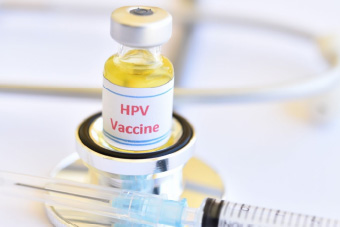
HPV Vaccination: Protecting Your Health at Every Age
Human papillomavirus, commonly known as HPV, is one of the most common viral infections in the United States. While many people associate HPV with younger patients, protection against HPV is important well into adulthood. The HPV vaccine is now available and recommended for individuals up to age 40, offering an important opportunity to reduce the risk of certain cancers, including cervical cancer.
At Women’s Health Associates in Overland Park and Leawood, KS, we offer the Gardasil 9 vaccine, a three-dose series designed to protect against the most common high-risk HPV types. Whether you are considering vaccination for yourself or a family member, understanding how HPV works and how the vaccine protects you is an important step in long-term health.
What Is HPV and Why It Matters
HPV is a group of more than 100 related viruses. Some types are considered low-risk and may cause conditions like genital warts. Others are classified as high-risk because they are linked to cancer.
High-risk HPV strains are responsible for the majority of cervical cancer cases, as well as other cancers affecting the throat, anus, and reproductive organs. In fact, nearly all cases of cervical cancer are caused by persistent HPV infection.
HPV is very common and is spread through intimate skin-to-skin contact. Many people will be exposed to HPV at some point in their lives, often without knowing it, because the virus may not cause symptoms.
How the HPV Vaccine Helps Protect You
The HPV vaccine works by helping your immune system recognize and fight the most dangerous strains of the virus before they can cause harm. The Gardasil 9 vaccine protects against nine HPV types, including those most commonly associated with cervical cancer.
By preventing infection from high-risk strains, the vaccine significantly reduces the risk of developing HPV-related cancers in the future. It is one of the most effective preventive tools available in women’s health today.
As Dr. Reagan Wittek, MD, often explains to patients, “HPV vaccination is cancer prevention. It is one of the most powerful steps we can take to reduce the risk of cervical cancer before it ever develops.”
Who Should Consider the HPV Vaccine
The HPV vaccine is often associated with adolescents and young adults, but it is now approved and recommended for individuals up to age 40.
You may benefit from vaccination if:
- You have never received the HPV vaccine
- You started the series but did not complete it
- You want additional protection against HPV-related cancers
- You are unsure of your prior exposure to HPV
Even if you are already sexually active, the vaccine can still protect against strains you have not been exposed to.
Understanding the Gardasil 9 Vaccine Series
At Women’s Health Associates, we offer Gardasil 9 as a three-dose vaccine series.
The schedule typically includes:
- First dose at your initial visit
- Second dose two months later
- Third dose six months after the first dose
Completing all three doses is important to ensure full protection.
The vaccine is well-studied and has a strong safety profile. Most patients experience only mild side effects, such as soreness at the injection site, fatigue, or a low-grade fever.
HPV and Cervical Cancer Prevention
Cervical cancer develops slowly over time, often beginning with changes in cervical cells caused by persistent HPV infection. These changes can be detected early through routine Pap smears and HPV testing.
Vaccination and screening work together to provide the strongest protection. The HPV vaccine helps prevent infection, while regular screening helps detect any changes early, when they are most treatable.
The American College of Obstetricians and Gynecologists continues to emphasize the importance of both vaccination and routine screening as part of comprehensive cervical cancer prevention.
Common Questions About the HPV Vaccine
Many patients have questions about whether the HPV vaccine is right for them.
Some common concerns include:
Is the vaccine still helpful if I am older?
Yes. Adults up to age 40 can still benefit, especially if they have not been exposed to all HPV strains covered by the vaccine.
Do I still need Pap smears if I get vaccinated?
Yes. The vaccine does not replace routine cervical cancer screening. Both are important for long-term health.
Is the vaccine safe?
Yes. Gardasil 9 has been extensively studied and is considered safe and effective.
Can the vaccine treat HPV?
No. The vaccine prevents new infections but does not treat existing HPV.
Why Preventive Care Matters
Preventive care is a cornerstone of women’s health. The HPV vaccine is one of the most impactful preventive tools available because it addresses cancer risk before it begins.
At Women’s Health Associates in Overland Park and Leawood, we take a proactive approach to care. During your visit, we can discuss your health history, answer questions, and help determine whether HPV vaccination is right for you.
As Reagan Wittek, MD, often reminds patients, “Preventive care is about protecting your future health, not just treating problems when they arise.”
Schedule Your HPV Vaccination
If you are interested in starting or completing the HPV vaccine series, our team is here to help. We offer the Gardasil 9 three-dose series in-office for your convenience.
Call 913-677-3113 to speak with a nurse or schedule an appointment at one of our locations in Overland Park or Leawood, Kansas. Our providers are here to guide you through your options and support your long-term health.
This article is for informational purposes only and does not replace professional medical advice. Please consult your healthcare provider for personalized recommendations.