 9am-5pm, MON-FRI


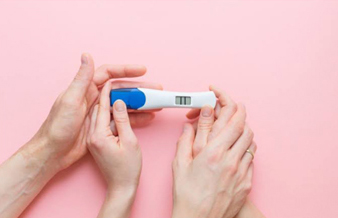
Thinking about starting or growing your family in 2027? Whether you're hoping to become pregnant in the next few months or are just beginning to consider the possibility, preparing your body for pregnancy is one of the most important steps you can take.

Menopause brings many changes, but some of the most personal are also the least talked about. Vaginal dryness, discomfort during intimacy, and changes in sexual desire are common concerns during perimenopause and menopause. Yet many women hesitate to bring them up with their healthcare provider.

Pregnancy changes many things about your body, including how your immune system responds to certain infections. Illnesses that may normally cause several uncomfortable days can sometimes become more serious during pregnancy. At the same time, newborn babies are particularly vulnerable to respiratory illnesses during their first months of life.
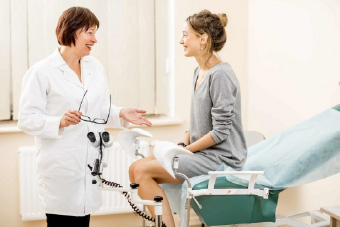
If you have been told that you no longer need a Pap smear every year, you may have wondered whether you still need to schedule an annual gynecologic exam.
The answer is yes.

Summer often means vacations, pool days, lake weekends, outdoor workouts, and long days in the sun. While the season brings plenty of opportunities to enjoy the outdoors, it can also increase the risk of urinary tract infections (UTIs), yeast infections and bacterial vaginosis (BV).
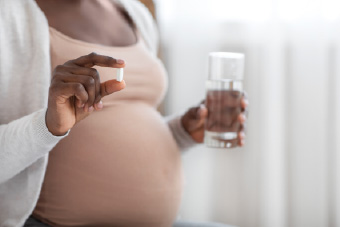
If you've spent time on TikTok, Instagram, or other social media platforms recently, you've probably seen posts claiming that women trying to conceive or who are pregnant should take methylfolate instead of folic acid. Some influencers even suggest that folic acid should be avoided altogether.

Many women expect to feel more energized during the summer months. Longer days, warmer weather, vacations and increased activity often create the expectation that this season should naturally feel refreshing. Yet for many women, summer brings the opposite experience. Fatigue, low energy, brain fog, headaches, poor sleep and exhaustion can become more noticeable during this time of year.

The weeks and months after having a baby can bring a wide range of emotions. While many new mothers expect to feel tired or overwhelmed at times, some experience deeper and more persistent feelings that may signal postpartum depression. Understanding the signs, recognizing risk factors, and knowing when to seek help are essential parts of postpartum care.
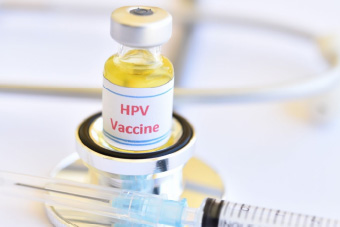
Human papillomavirus, commonly known as HPV, is one of the most common viral infections in the United States. While many people associate HPV with younger patients, protection against HPV is important well into adulthood. The HPV vaccine is now available and recommended for individuals up to age 40, offering an important opportunity to reduce the risk of certain cancers, including cervical cancer.
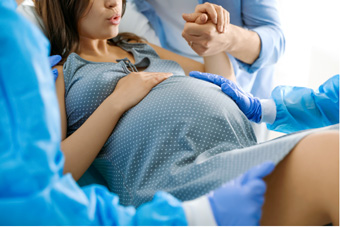
As you approach the final weeks of pregnancy, it is completely natural to wonder, “How will I know when I am in labor?” For many expectant parents, the uncertainty can feel both exciting and overwhelming. Understanding the signs and symptoms of labor can help you feel more confident and prepared when the time arrives.

Menopause marks a significant transition in a woman’s life. While many people associate menopause with hot flashes, sleep changes or mood shifts, fewer realize that this stage also brings important changes to heart health. After menopause, a woman’s risk for heart disease increases, making awareness, prevention and regular medical care more important than ever.

The days and weeks following birth are a time of powerful change. While welcoming your baby is a joyful and transformative experience, it also brings physical, emotional and hormonal shifts that can feel overwhelming at times. Postpartum recovery is unique for every person, but understanding what to expect and how to care for your body can make this period more manageable and reassuring.