 9am-5pm, MON-FRI

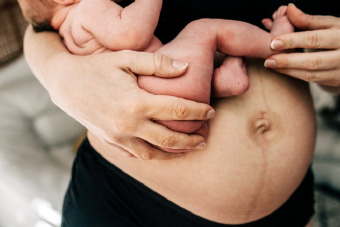
Postpartum Recovery: How to Care for Your Body After Birth
The days and weeks following birth are a time of powerful change. While welcoming your baby is a joyful and transformative experience, it also brings physical, emotional and hormonal shifts that can feel overwhelming at times. Postpartum recovery is unique for every person, but understanding what to expect and how to care for your body can make this period more manageable and reassuring.
At Women’s Health Associates in Overland Park and Leawood, KS, our goal is to support you through every step of postpartum healing. Whether this is your first baby or your fourth, knowing what is normal, what may require attention, and what care strategies can help you feel your best is essential.
As Dr. Evelina Swartzman often reminds new parents, “Postpartum recovery is not about bouncing back. It is about healing, restoring strength, and giving yourself patience during one of the most significant transitions of your life.”
The First Days After Birth
Immediately after delivering your baby, your body begins a remarkable process of repair and adjustment. Whether you had a vaginal birth or a cesarean birth, the body works continuously to heal tissues, balance hormones, and support lactation if you choose to breastfeed.
Common early postpartum experiences include:
- Vaginal bleeding known as lochia
- Cramping as the uterus returns to its pre-pregnancy size
- Soreness or discomfort at the perineum or incision site
- Swelling in the legs or feet
- Breast fullness and engorgement
- Fatigue as your body recovers and adjusts to newborn care
These changes can feel intense, but they are all part of the normal postpartum healing process.
Caring for Your Body in the First Few Weeks
The first six weeks postpartum are often referred to as the fourth trimester. During this time, rest, nutrition, hydration and gentle movement all play important roles in recovery.
Perineal Care After a Vaginal Birth
If you had a vaginal birth, you may experience soreness, swelling or stitches if you had a tear or episiotomy. Warm water rinses, sitz baths, ice packs and peri bottles can help relieve discomfort. Healing typically improves significantly within two weeks, but mild tenderness can last longer.
Recovering After a Cesarean Birth
A cesarean birth involves abdominal surgery, so healing takes time. Most patients experience soreness around the incision for several weeks. Light walking, proper incision care and avoiding heavy lifting are important parts of a safe recovery. Healing continues steadily, but fatigue is common as the body balances surgery with newborn care.
Bleeding and Uterine Recovery
Lochia (normal, bloody vaginal discharge after childbirth) gradually changes from bright red bleeding to lighter spotting over several weeks. Cramping, especially during breastfeeding, is also normal as the uterus contracts back to its pre-pregnancy size.
Breast and Chest Care
Whether or not you breastfeed, fullness and engorgement are common in the first week. Supportive bras, warm compresses before feeding, cool compresses afterward, and gentle hand expression can help manage discomfort.
Sleep and Fatigue
Sleep is often fragmented in the early weeks. Rest when you can, accept help from loved ones, and focus on the essentials. Your body heals more effectively when you are nourished and rested.
Emotional Recovery and Mental Health
Postpartum changes are not only physical. Emotional shifts are also common as hormones fluctuate and you adjust to caring for a new baby.
Many patients experience:
- Mood swings
- Tearfulness
- Irritability
- Overwhelm
- Anxiety
These feelings, often called the baby blues, typically improve within one to two weeks. However, if feelings of sadness, worry, or detachment linger or worsen, it is important to reach out. Postpartum depression and anxiety are medical conditions that deserve support and treatment.
At Women’s Health Associates, we encourage you to contact us if you feel persistently sad, worried, hopeless, or overwhelmed. You never have to navigate postpartum emotions alone.
Pelvic Floor Healing
Pregnancy and birth place significant strain on the pelvic floor, the muscles that support your bladder, uterus and bowel. Symptoms such as urinary leakage, pressure or discomfort are common in the early postpartum period.
Pelvic floor exercises, also known as Kegels, can help strengthen these muscles. Some patients benefit from pelvic floor physical therapy for additional support. Healing varies for each person, but with time and rehabilitation, most notice improvement in strength and function.
Nutrition, Hydration and Physical Activity
Proper nutrition helps restore energy, support breastfeeding and promote healing. Focus on balanced meals that include protein, whole grains, fruits, vegetables and healthy fats. Hydration is especially important, particularly for those who are breastfeeding.
When it comes to exercise, it is best to begin with gentle movement. Walking, stretching and light core engagement can help your body regain strength without strain. Most patients can gradually increase activity as they feel ready, but intense exercise should wait until your postpartum visit and provider guidance.
Understanding What Is Normal and When to Call Us
While postpartum recovery varies, certain symptoms should always be taken seriously. You should contact your provider right away if you experience:
- Heavy bleeding soaking more than one pad per hour
- Severe abdominal pain or worsening incision pain
- Fever or chills
- Foul-smelling discharge
- Persistent headaches
- Chest pain or difficulty breathing
- Feelings of hopelessness or thoughts of harming yourself
Early evaluation allows us to support your health quickly and effectively.
If you are unsure whether a symptom is normal, we encourage you to call. Your questions are always welcome, and your health and safety are our top priority.
The Importance of Your Postpartum Visit
Your postpartum visit is typically scheduled around six weeks after birth, though some patients may be seen sooner. During this visit, we assess healing, discuss emotional well-being, review birth control options, address breastfeeding concerns, and answer any questions you may have.
This visit is also an important time to talk about future family planning, pelvic floor recovery, sexual health and long-term wellness.
At Women’s Health Associates in Overland Park and Leawood, we view postpartum care as a continuation of your pregnancy journey. We want you to feel supported, understood and cared for as you heal and transition into life with your new baby.
You Are Not Meant to Do This Alone
Postpartum recovery is a process that unfolds over weeks and months. Healing takes time, patience and compassion. Whether you are navigating physical recovery, emotional adjustments, breastfeeding challenges or sleep deprivation, you are not alone.
As Dr. Evelina Swartzman often reminds new parents, “Healing after birth is not something you rush. It is something you honor.”
If you ever have questions or concerns about your postpartum recovery, please reach out. Our team is here to help guide you through each step with support and expert care.
Call 913-677-3113 today to speak with a nurse or schedule an appointment at one of our two convenient locations. Our team is honored to support you during pregnancy, birth, and every part of recovery that follows.
This article is for informational purposes only and does not replace professional medical advice. Please consult your healthcare provider for personalized recommendations.